
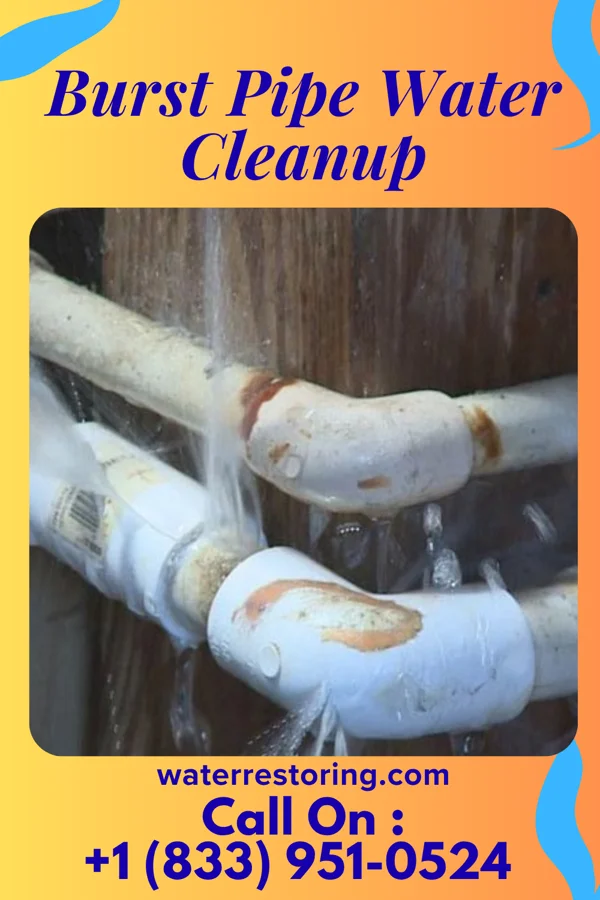
Why Burst Pipes Hit Rainbow Lakes Hard
The pattern in Rainbow Lakes is consistent. Rainbow Lakes, New Jersey, experiences seasonal fluctuations in water pressure due to its rural setting and proximity to natural water sources like Mount Tabor. The area's aging infrastructure and frequent heavy rainfall can lead to increased stress on underground pipes, making burst pipe incidents more common during spring and early summer. drives most of the emergency restoration calls we get. A close second is The presence of nearby towns like Mountain Lakes and Parsippany adds to the regional water distribution network, which can sometimes result in pressure imbalances. Additionally, the rural nature of Rainbow Lakes means that many homes rely on private wells, increasing the likelihood of localized pipe failures..
Rainbow Lakes, situated in a temperate region with seasonal extremes, faces unique challenges in maintaining stable water systems. The combination of high humidity and frequent temperature changes can weaken aging pipes, making burst pipe incidents more frequent during transitional seasons.
Rainbow Lakes, situated in a temperate region with seasonal extremes, faces unique challenges in maintaining stable water systems. The combination of high humidity and frequent temperature changes can weaken aging pipes, making burst pipe incidents more frequent during transitional seasons. The dominant local driver is Rainbow Lakes, New Jersey, experiences seasonal fluctuations in water pressure due to its rural setting and proximity to natural water sources like Mount Tabor. The area's aging infrastructure and frequent heavy rainfall can lead to increased stress on underground pipes, making burst pipe incidents more common during spring and early summer., with The presence of nearby towns like Mountain Lakes and Parsippany adds to the regional water distribution network, which can sometimes result in pressure imbalances. Additionally, the rural nature of Rainbow Lakes means that many homes rely on private wells, increasing the likelihood of localized pipe failures. showing up as the next most common cause. Damage builds in stages. Spread. Absorption. Microbial growth. Structural compromise. Every stage you pass through adds to the final bill.
For public guidance on the health effects of mold after prolonged water exposure, see the EPA mold and health page.